• Publication
Education as drug policy: A realist synthesis of continuing professional development for opioid agonist therapy
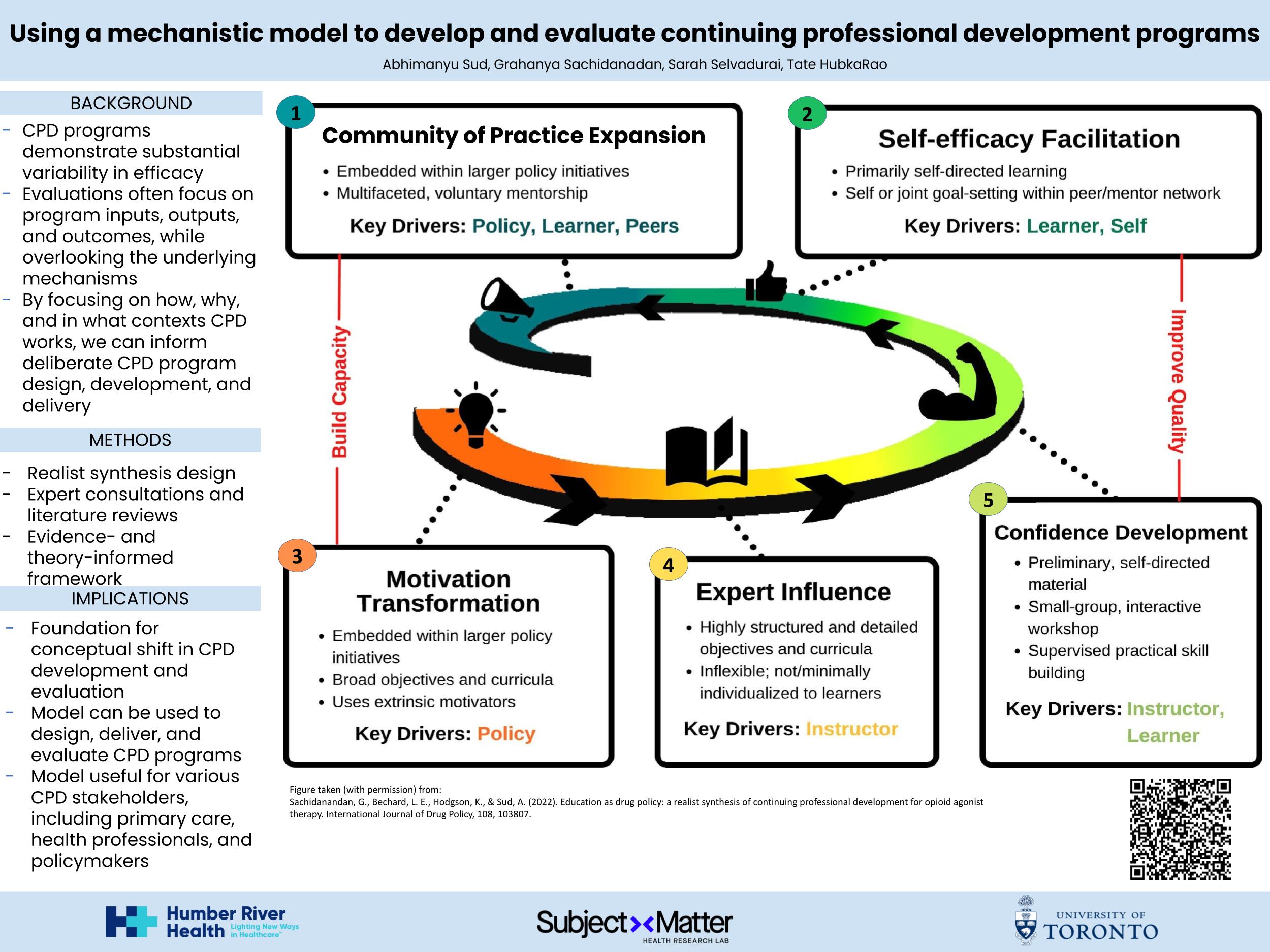
Using a mechanistic model to develop and evaluate continuing professional development programs
Citation
Sud A, Sachidanadan G, Selvadurai S, HubkaRao T. Using a mechanistic model to develop and evaluate continuing professional development programs. UofT DFCM Conference 2026. 2026 May 13. Toronto ON.
Abstract
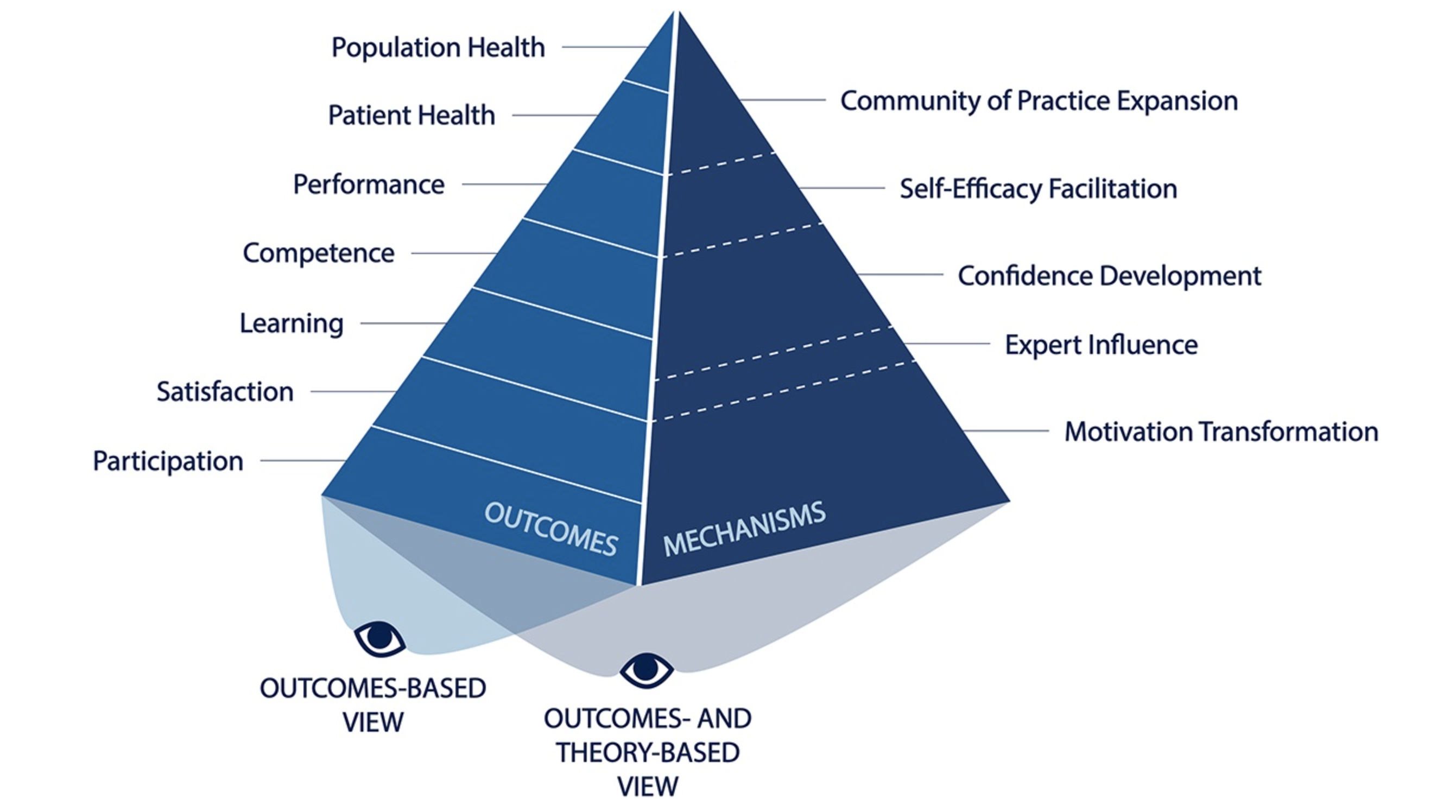
Background: Continuing professional development (CPD) programs demonstrate substantial variability in efficacy as evaluations of such programs tend to focus on program inputs, outputs, and outcomes, while overlooking the mechanisms underlying intended outcome changes. By shifting the focus from whether CPD works to how, why, and in what contexts it works, we can better inform deliberate CPD program design, development, and delivery.
Methods: Using a realist synthesis design, we developed a mechanistic model that provides an evidence-and theory-informed framework, drawing upon reflections from different fields of CPD and extensive literature regarding educational and behavioral theory, and integrating social, behavioral, cognitive, and learning theories with evaluative data.
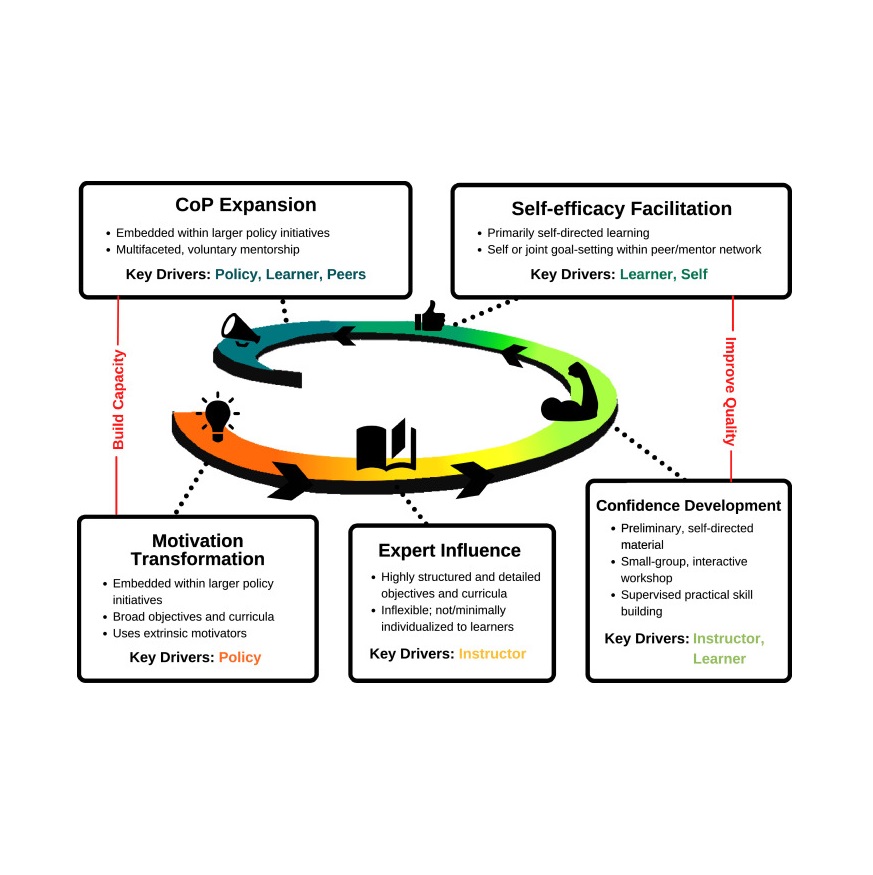
Results: Five distinct mechanisms were developed, which include: motivation transformation, expert influence, confidence development, self-efficacy facilitation, and community of practice expansion. The mechanistic model provides opportunities to match program mechanisms to the needs of health professionals and health systems, including in primary care.
Implications: Drawing on our findings, this presentation will describe each of the five mechanisms and explore the use of the mechanistic model to design, deliver, and evaluate CPD programs. We will also identify several ways in which this model can be useful for various CPD stakeholders, including primary care, health professionals, and policymakers. Further, we will present a foundation for a series of conceptual shifts in CPD.
Project Team
Tate HubkaRao
Education as drug policy: A realist synthesis of continuing professional development for opioid agonist therapy

Pain Continuing Professional Development in Canada – Fostering a Vibrant, Dynamic and Sustainable Ecosystem
A national scan of pain-related Continuing Professional Development (CPD) programs in Canada identified 30 programs and highlighted a strong need for greater collaboration. Our findings led to seven key recommendations to enhance sustainability, impact, and cross-sector connection.
From Two Dimensions to Multidimensions: A Mechanistic Model to Support Deliberate CPD Development, Coordination, and Evaluation